Loading...
Serving Lake Havasu City, AZ and surrounding areas. (928) 392-1067
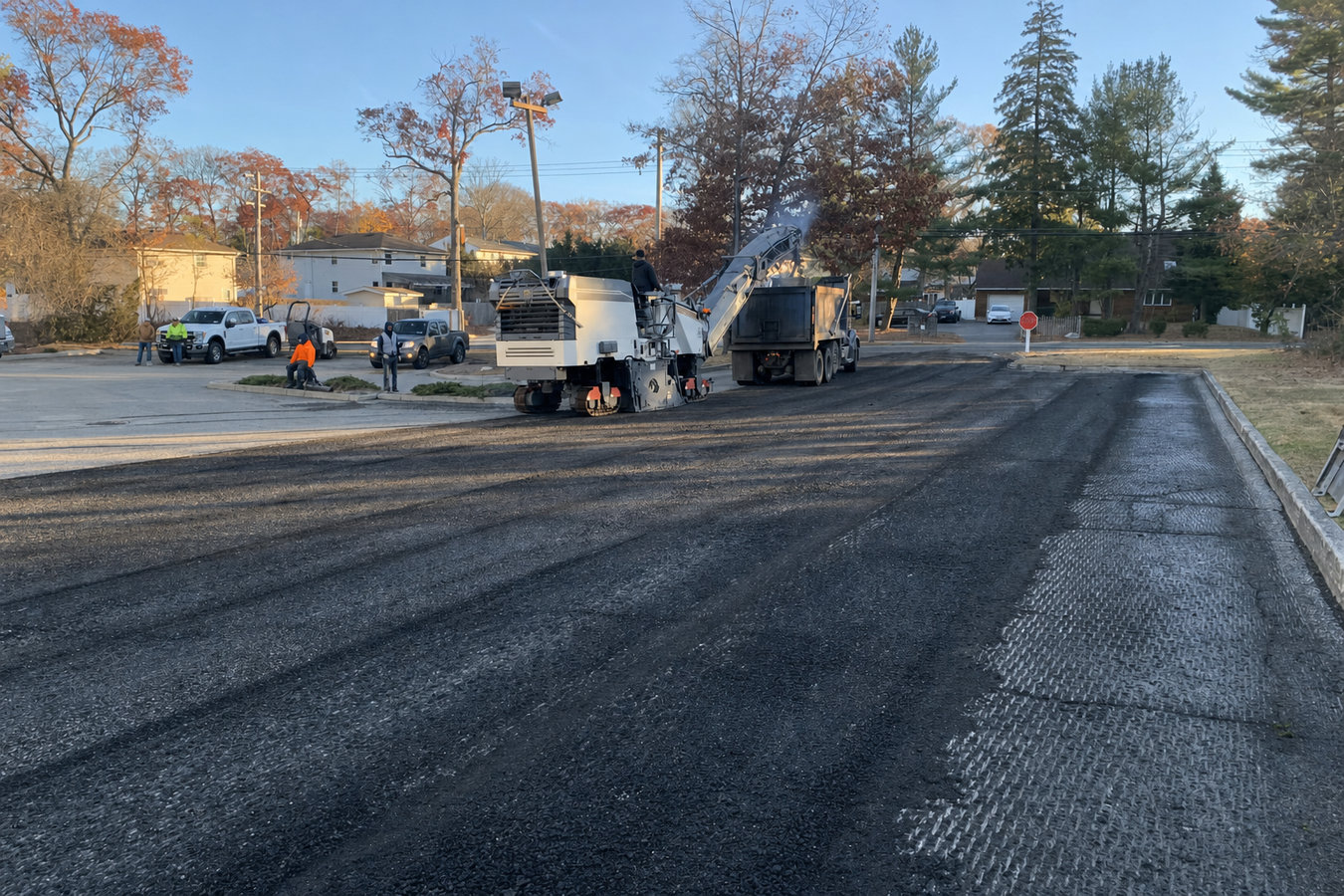
A worn, cracked, or faded driveway or lot gets a fresh layer of asphalt without a full tear-out - at a fraction of full replacement cost.
Asphalt resurfacing in Lake Havasu City means laying a fresh layer of new asphalt over your existing surface rather than tearing everything out - most residential driveways are completed in a single day, and the result looks and performs like a new surface at significantly less cost than full replacement.
Resurfacing works best when the underlying base is still solid and the damage is mostly on the surface - widespread cracking, fading, roughness, or minor low spots. In Lake Havasu City, the combination of intense UV exposure and summer temperatures regularly above 110 degrees F means asphalt surfaces age faster here than in most of the country. A surface that might last 15 or 20 years in a cooler climate can show significant wear in much less time here. Our pothole repair service handles isolated surface failures when the rest of your pavement is still in good shape and a full resurfacing is not yet needed. For driveways where the base is compromised or sections have failed structurally, we would recommend a different approach and will tell you that directly.
The desert climate also makes the period after resurfacing important. Once the new surface is laid and cured, a sealcoating schedule - typically starting several months after paving - is what keeps it in good condition and delays the next round of significant maintenance. Our asphalt milling service is available for projects where removing old surface material before resurfacing is the right approach, particularly for commercial areas with height clearance requirements or failed sections that need to be removed before the new layer goes down.
In Lake Havasu City's intense sun, asphalt oxidizes faster than almost anywhere else. When your driveway has faded from black to dull gray and the surface feels rough or crumbly, the binder is breaking down. Resurfacing at this stage - before damage goes deeper - is far less expensive than waiting until the base is compromised.
Small cracks are normal over time, but when they start connecting into a web-like pattern across a large portion of the surface, the surface layer is failing. In the desert heat, cracks expand and contract with temperature swings, and monsoon water can work in and weaken the base below. Resurfacing now seals out moisture and gives the surface a fresh start.
Standing water after a monsoon storm means the surface has developed low spots or the slope has shifted. Water sitting on asphalt accelerates deterioration, and in a climate where storms can dump a lot of rain quickly, poor drainage shortens the life of any paved surface. Resurfacing done with proper grading can correct minor drainage issues at the same time.
A driveway that has become rough, pitted, or uneven across the whole surface is showing its age rather than isolated problem spots. If the damage is widespread rather than in one or two areas, resurfacing the entire area is a smarter investment than patching problem spots one at a time - especially in the Mojave Desert's accelerated weathering environment.
Our resurfacing work starts with a base assessment before any paving machine arrives. We clean and prepare the existing surface, fill significant cracks and potholes, and confirm drainage is adequate for the new layer. The fresh hot-mix asphalt is then placed and compacted to a specified depth - we include that depth in your written estimate so you know exactly what you are getting. After the surface cures, we advise on a sealing timeline appropriate for the desert climate. Our pothole repair service addresses isolated failures when full resurfacing is not yet warranted. When extensive surface removal is required before a new layer can go down, our asphalt milling service handles the removal cleanly and prepares a consistent grade for paving.
Mix selection matters more in Lake Havasu City than in most markets. The National Asphalt Pavement Association provides performance standards for high-temperature asphalt mixes, and we follow those guidelines when selecting the right mix for your project. A mix engineered for a mild climate will soften and rut under sustained desert heat. We also verify contractor licensing through the Arizona Registrar of Contractors - you should confirm our license before signing anything, just as you would with any Arizona paving contractor.
Suits homeowners whose driveway surface has aged, oxidized, or cracked but still has a solid base underneath.
Suits businesses and property managers needing to restore a worn parking lot surface without the cost of a full tear-out.
Suits properties where the existing surface has developed low spots or poor drainage that can be corrected during the resurfacing process.
Suits homeowners preparing a property for sale who want a clean, dark, freshly paved driveway to improve first impressions.
Lake Havasu City is one of the hottest cities in the United States during summer, regularly seeing temperatures well above 110 degrees F. That level of heat softens fresh asphalt and can cause it to rut or deform under vehicle tires if the mix is not formulated for desert conditions. The intense Mojave Desert sun is also present year-round, and UV radiation breaks down asphalt binder faster here than in most other parts of the country - surfaces fade from black to gray and become brittle more quickly than they would in a milder climate. Scheduling resurfacing in the cooler months - October through April - gives the new layer the best conditions to cool and set correctly. If summer work is unavoidable, early morning starts are the standard approach among experienced local crews. Homeowners in Fort Mohave and Golden Valley face the same desert conditions and we serve both areas regularly.
The desert soil under your driveway or parking area is another factor. Much of the Lake Havasu City area sits on sandy, gravelly desert soils that can shift with moisture changes - even in a dry climate, monsoon rains can saturate the ground quickly and cause movement beneath a paved surface. If drainage is poor and water pools under the edges of your driveway, it can undermine the base over time. A contractor should assess how water flows around your property before resurfacing, not just look at the surface. The summer monsoon season brings sudden, heavy thunderstorms from roughly July through September - a properly sloped and sealed surface sheds that water instead of letting it pool and work its way into the base.
Call or message us to describe your driveway and what you are seeing. We schedule a free on-site estimate - the only way to get an accurate price, since square footage, surface condition, and access all affect the quote. We reply within 1 business day and aim to visit quickly.
When we visit, we evaluate the whole surface and check whether the base underneath is still solid. We assess how water drains around the area, look for any sections needing patching first, and discuss your timeline so we can plan around the heat.
Before any new asphalt goes down, we clean the existing surface and fill significant cracks and potholes. This prep work is what separates a job that lasts from one that fails early. In summer, we start early to work before peak heat. A written scope confirms exactly what is included.
The crew lays and compacts the new asphalt in even passes. Most residential driveways finish in one day. Afterward, we give you a clear curing window - typically 24 to 48 hours for vehicles, longer in summer - and advise on when to schedule a follow-up sealcoat.
We walk your property, give you an honest assessment of what your surface needs, and provide a written quote before any work begins.
(928) 392-1067Lake Havasu City's summer heat regularly exceeds 115 degrees F. We use asphalt mixes formulated to resist softening and rutting under sustained extreme temperatures - not a one-size-fits-all mix. The wrong mix deforms under the Havasu summer sun, which is why local experience in this specific climate matters when choosing a contractor.
Arizona requires paving contractors to hold a state-issued license before performing this work, which you can verify through the Arizona Registrar of Contractors. Ask for the license number before signing anything and check it at azroc.gov - it takes under a minute and protects you from unlicensed operators. The National Asphalt Pavement Association also sets standards we hold our work to.
You receive a written estimate that covers what prep work is included, the planned asphalt depth, the timeline, and what happens after the job is done. No surprises on paving day and no unexpected additions to the scope - just a clear, documented agreement before anyone picks up a tool.
Resurfacing is only the beginning in a desert climate. We give every customer a realistic sealing schedule for their specific surface after the job, because UV exposure here degrades asphalt faster than most of the country. Knowing when to seal - and not waiting too long - is what extends the years of service you get from the new surface.
A resurfacing job done right in the Mojave Desert is a meaningful investment in your property. The mix, the prep, and the follow-up sealing schedule all determine how many years you get from the work - and we handle all three rather than leaving any part of it to chance.
Targeted repair for isolated surface failures when the rest of your pavement is still in serviceable condition.
Learn MoreRemoves old asphalt surface material cleanly before a fresh overlay, used when full removal is needed before resurfacing.
Learn MoreOur cooler-season calendar fills faster than you might expect - contact us now to lock in your project date before the summer window closes.